Expert Q&A
Prepare sharper questions for practitioners and potential suppliers.
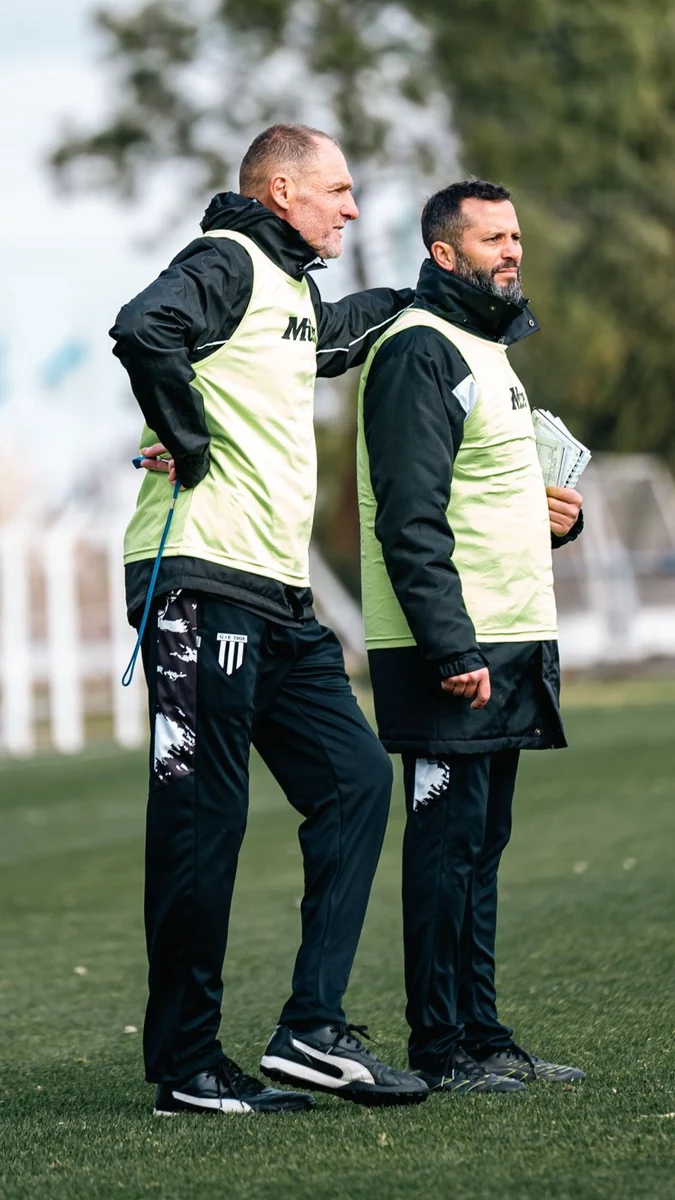
Questions worth putting to practitioners.
Proposed experts; not yet interviewed. Questions are an interview agenda, not attributed expert answers.
1. What would justify adding a supplier if we were forbidden to cite database size or a successful signing?
Explore the interview question →022. When do Wyscout, Statsbomb and tracking products overlap—and when are they complementary?
Explore the interview question →033. What evidence would make a women’s competition genuinely usable for recruitment?
Explore the interview question →044. How should NCAA and international discovery connect to a realistic MLS or NWSL acquisition route?
Explore the interview question →055. What does broadcast-derived tracking actually observe, and what does it estimate?
Explore the interview question →066. What would convince you that a role-fit or league-translation model works for our market?
Explore the interview question →077. How would you design a fair supplier trial that tests discovery as well as assessment?
Explore the interview question →088. How do you prove that your player data can join our existing database safely?
Explore the interview question →099. Can every consequential claim in an AI scouting report be traced to evidence?
Explore the interview question →1010. Which intended workflows are actually permitted by the contract?
Explore the interview question →1111. Where should recruitment intelligence stop before it becomes unjustified player profiling?
Explore the interview question →1212. What should a regional scout add that our subscriptions cannot already tell us?
Explore the interview question →1313. What is the fully loaded cost of adding, replacing or consolidating the supplier?
Explore the interview question →1414. Will the supplier work when ordinary staff use it without the demonstration team?
Explore the interview question →1515. What evidence would make you recommend “buy nothing”—and what must be written into a purchase if we proceed?
Explore the interview question →In this section
What should a club establish before buying another scouting subscription?
Ask what the supplier adds to a specific recruitment decision, then require evidence that the club can access, verify, integrate and lawfully use it.
Why revisit these questions now?
Three public developments make old supplier comparisons an inadequate starting point:
Which recognised experts should receive the questions?
Use a mixed panel: club buyers, technical practitioners, suppliers, commercial counsel and player representatives.
How should the interviews be conducted?
Send each expert a short, redacted decision brief: the recruitment task, current subscriptions, unresolved gap, intended workflow and decision deadline.
1. What would justify adding a supplier if we were forbidden to cite database size or a successful signing?
Interview objective: Establish an observable contribution to recruitment work before discussing subscription expansion.
2. When do Wyscout, Statsbomb and tracking products overlap—and when are they complementary?
Interview objective: Compare contracted evidence and workflows, not logos or historical product categories.
3. What evidence would make a women’s competition genuinely usable for recruitment?
Interview objective: Replace catalogue-level claims with a competition-and-season evidence map.
4. How should NCAA and international discovery connect to a realistic MLS or NWSL acquisition route?
Interview objective: Keep performance assessment distinct from current availability and transaction feasibility.
5. What does broadcast-derived tracking actually observe, and what does it estimate?
Interview objective: Understand measurement limits before relying on off-ball or physical rankings.
6. What would convince you that a role-fit or league-translation model works for our market?
Interview objective: Separate descriptive similarity from a validated prediction of performance after a move.
7. How would you design a fair supplier trial that tests discovery as well as assessment?
Interview objective: Prevent supplier-selected demonstrations from becoming the purchasing evidence.
8. How do you prove that your player data can join our existing database safely?
Interview objective: Test identity continuity and data maintenance, not merely whether an API returns records.
9. Can every consequential claim in an AI scouting report be traced to evidence?
Interview objective: Evaluate the report as a collection of checkable claims, not as fluent prose.
10. Which intended workflows are actually permitted by the contract?
Interview objective: Establish rights for the proposed operating model before technical integration begins.
11. Where should recruitment intelligence stop before it becomes unjustified player profiling?
Interview objective: Set defensible boundaries around player information and its use.
12. What should a regional scout add that our subscriptions cannot already tell us?
Interview objective: Commission missing observations or context rather than another summary of the same database.
13. What is the fully loaded cost of adding, replacing or consolidating the supplier?
Interview objective: Compare the actual purchasing alternatives without turning staff time into fictional cash savings.
14. Will the supplier work when ordinary staff use it without the demonstration team?
Interview objective: Test operational usefulness, maintenance and access controls under the club’s real constraints.
15. What evidence would make you recommend “buy nothing”—and what must be written into a purchase if we proceed?
Interview objective: Turn the findings into a defensible decision, including refusal or a narrower contract.
How should the answers become a purchasing decision?
Use hard gates first, then compare trade-offs.